
Massage Gun Tips
Are You Using Your Massage Gun Correctly? Avoid These Common Mistakes for Better Recovery
Dec
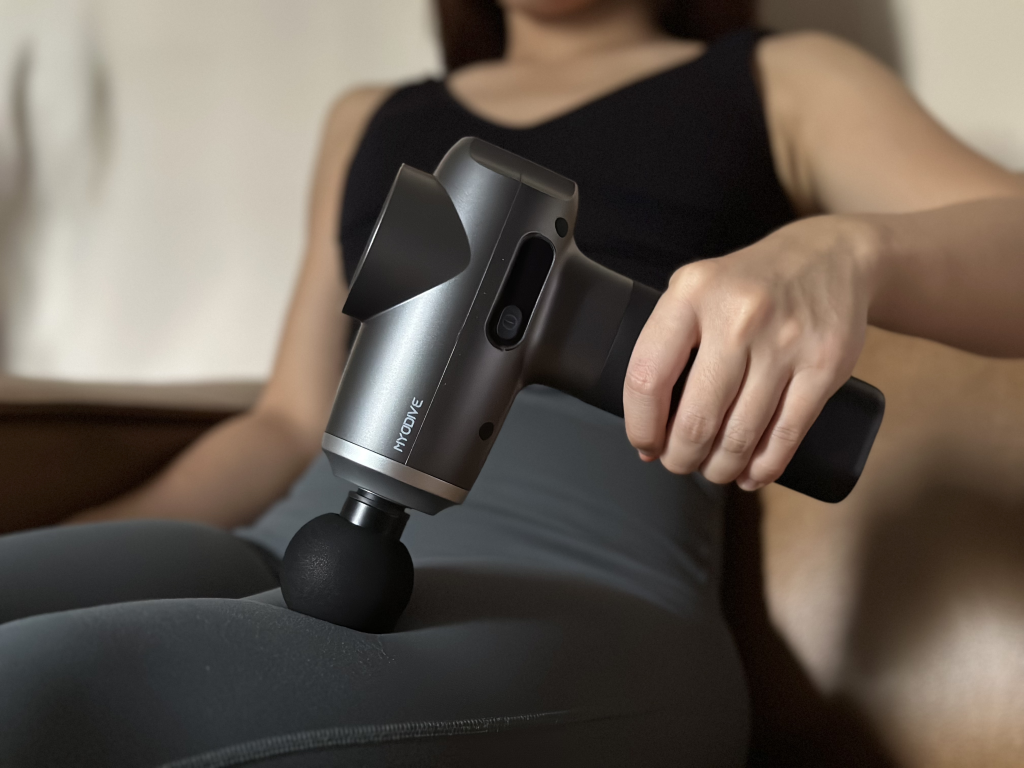
A massage gun is one of the best tools for muscle recovery, helping to relieve soreness, improve circulation, and enhance mobility. But if you’re using it incorrectly, you might not be getting the full benefits—or worse, you could be increasing your risk of injury. Whether you are new to percussive therapy or have been using a massage gun for a while, understanding these common mistakes will help you maximise its effectiveness and speed up recovery.
The most important thing to know before using a massage gun is when and where not to use it. Incorrect use can lead to serious injuries or worsen existing conditions. While massage guns like the Myodive Sonic are excellent for muscle recovery, they should never be used on sensitive, injured, or high-risk areas.
Avoid Using a Massage Gun If You Have:
- Chronic conditions affecting tissue health, such as diabetes, kidney disease, iron deficiency, or blood clotting disorders
- Open wounds, rashes, blisters, or recent surgical sites
- Active inflammation (e.g., from an injury or chronic pain condition)
- Torn muscles, ligaments, or tendons
- New scars (less than 12 weeks old)
- Fractures or areas of low bone density (osteoporosis)
Avoid Using a Massage Gun On:
- Your face, head, or throat
- Your neck, especially near the carotid artery
- Your spine or directly over vital organs (heart, kidneys, lungs)
- Your chest (front or back) if you have a lung condition like asthma or emphysema
- Exposed arteries and veins, including the collarbones, armpits, inner elbows, groin, and back of the knees
- Bony areas with little muscle, such as ankles, knees, elbows, collarbones, and the tops of your feet
This list might seem overwhelming, but the general rule is simple: use your massage gun on large muscle groups like the calves, hamstrings, quadriceps, back, biceps, triceps, and forearms. Avoid sensitive, bony, or injured areas. If you have an injury or medical condition, always consult a healthcare professional before use. For mild soreness, start with the lowest speed setting and avoid applying excessive pressure to sensitive areas.
Don’t Use A Massage Gun For Over 15 Minutes
It’s best to avoid using a massage gun for over 15 minutes at a time, even if you were to switch to other body parts. Prolonged use in a single area can overstimulate the muscles, which may cause more soreness and reduce effectiveness. Limit each session of using a message gun to 15 minutes, no more than 2 minutes on each area.
Ignoring the Speed Settings
Massage guns come with adjustable speeds and intensities, so it’s important to adjust the settings to best suit your individual needs. If you are new to using a massage gun, it’s best to start at the lowest setting and gradually increase the intensity until you find the right amount of pressure for you. The highest speed may not be the most effective or necessary as it can lead to overstimulation in the muscles, leading to discomfort.
How to Do It Right:
- Low speed: Warm-ups, sensitive areas, or relaxation.
- Medium speed: General muscle recovery and soreness relief.
- High speed: Deep tissue massage for intense recovery.
Always Listen To Your Body’s Feedback
While using your massage gun, be sure to listen to your body and stop immediately if you experience any sudden pain. If an area ever feels overly sensitive or too painful, reduce the massage gun’s intensity to the lowest or avoid the area completely. Pain or discomfort are signs that you should stop using your massage gun.
Applying Too Much Pressure
People may mistake that pressing the massage gun too hard into your muscles, thinking it will provide deeper relief. Excessive pressure can lead to bruising, muscle strain, or even nerve damage. Keep your massage gun in motion and smoothly glide it over your muscles. This ensure even pressure distribution and prevents overstimulation in any one area.
Skipping Warm-Up or Cool-Down
Many people make the mistake of using a massage gun only after workouts, neglecting its benefits for warming up muscles before exercise. Without a proper warm-up, muscles remain stiff and less flexible, increasing the risk of injury and reducing overall performance. Percussive therapy before a workout helps improve blood circulation, loosen tight muscles, and enhance mobility, allowing for better movement and reduced strain. To get the most out of your Myodive Sonic massage gun, use it for 30–60 seconds per muscle group before your workout. After your workout, apply the massage gun for 1–2 minutes per area to help reduce muscle soreness, flush out lactic acid, and speed up recovery. By incorporating both pre- and post-workout massage sessions, you’ll experience faster recovery, fewer injuries, and improved performance over time.
A massage gun is an incredibly effective tool for muscle recovery, but using it incorrectly can reduce its effectiveness or even lead to injury. By understanding when and where to use it, incorporating it into both your warm-up and cool-down routines, and adjusting speed and pressure based on your muscle needs, you can get the most out of your massage gun. Whether you’re an athlete, fitness enthusiast, or simply looking for muscle relief, proper massage gun use will help you recover faster and feel your best every day.
